

This site is no longer active!
If you are the owner, you must reactive this site for it to be published again
or contact us at support@rebolthq.com

If you are the owner, you must reactive this site for it to be published again
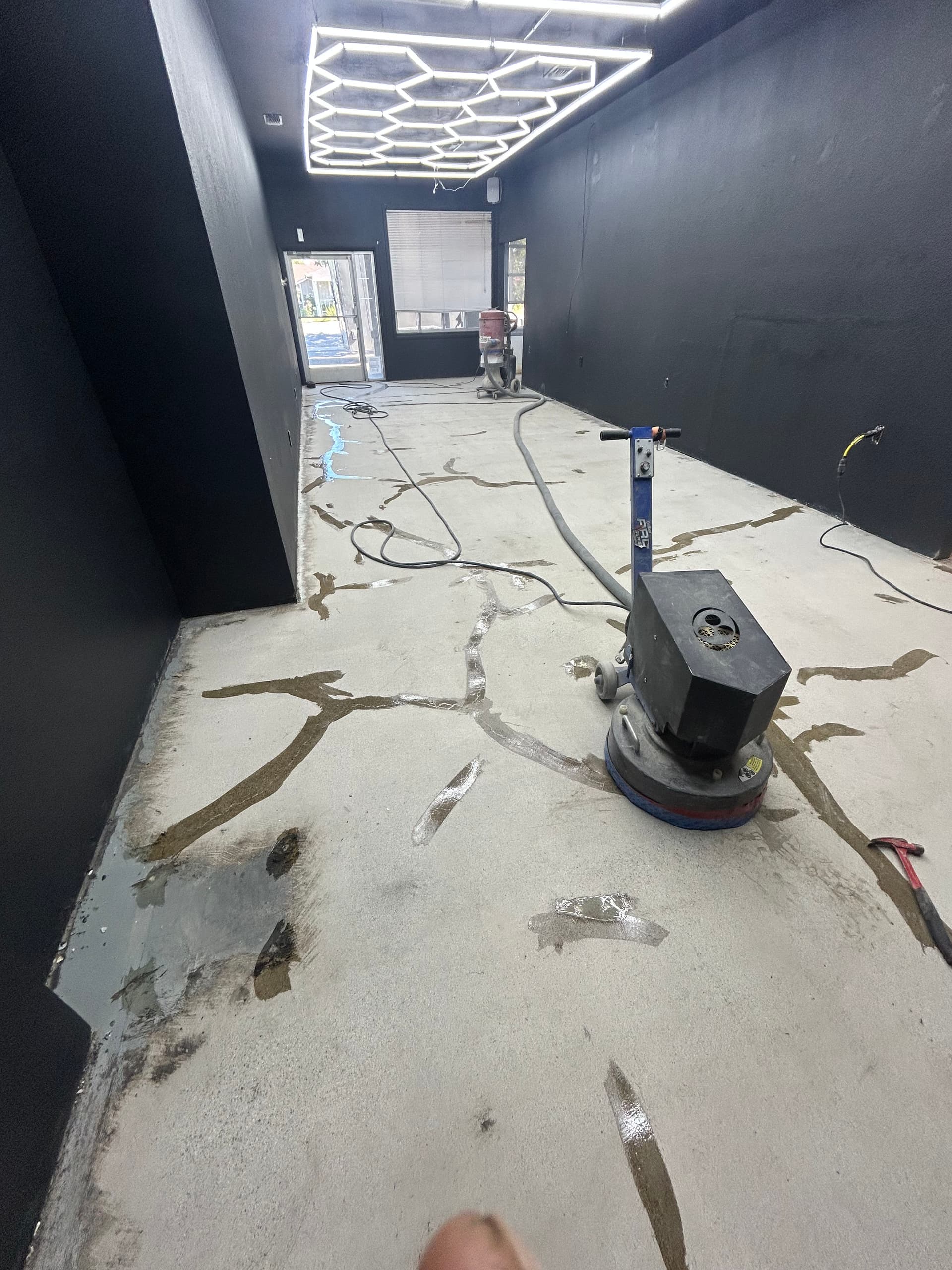
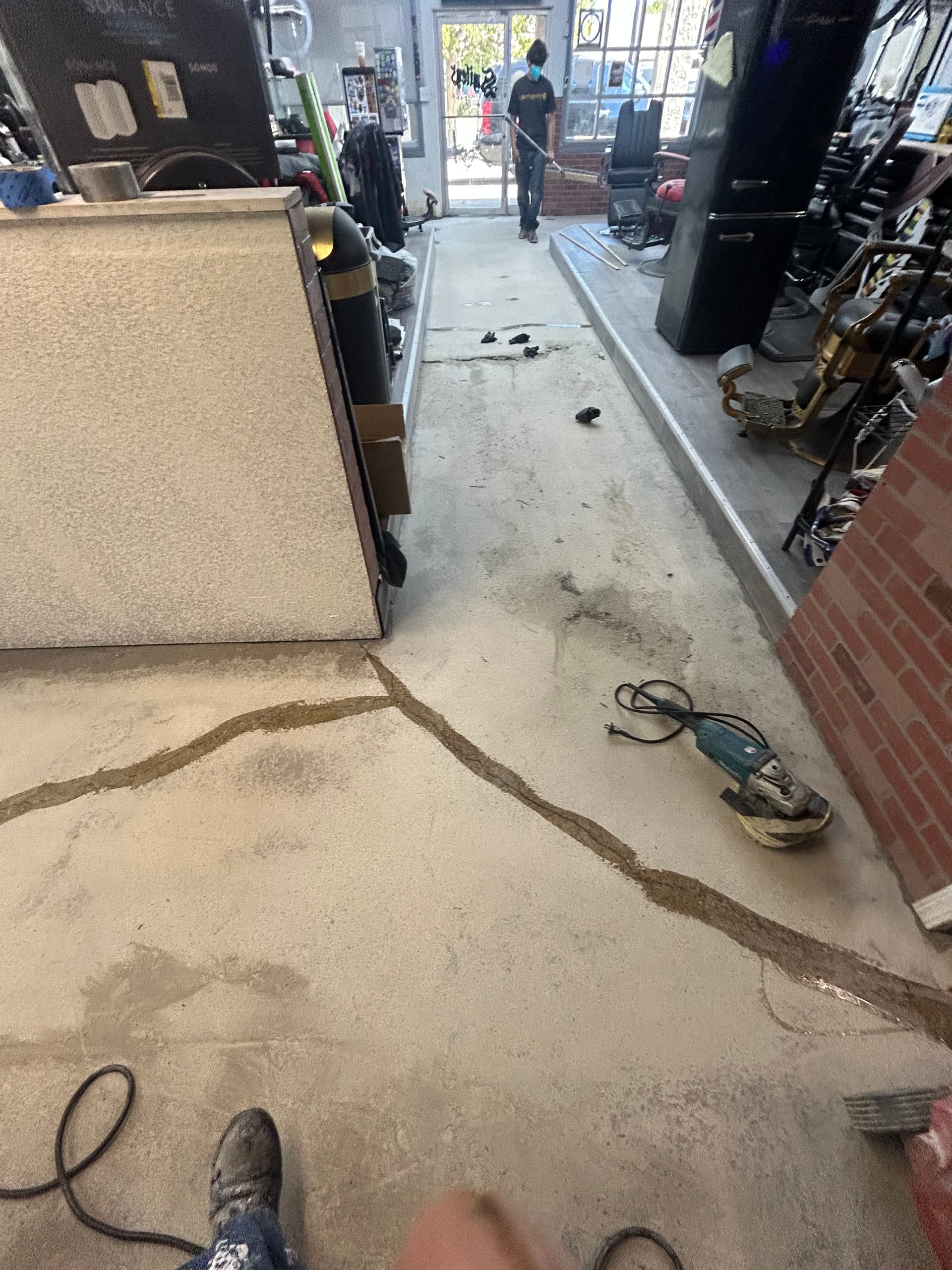
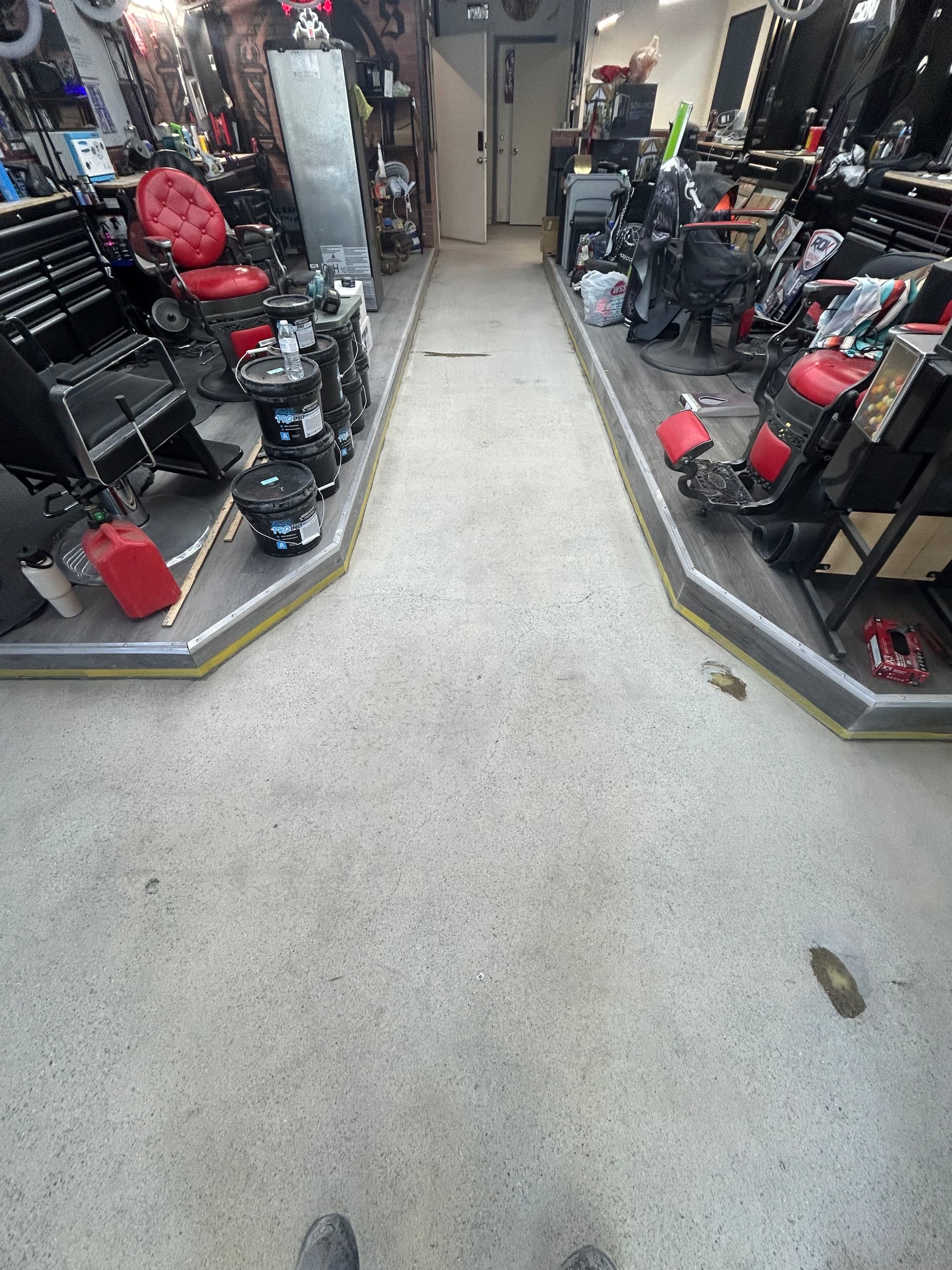
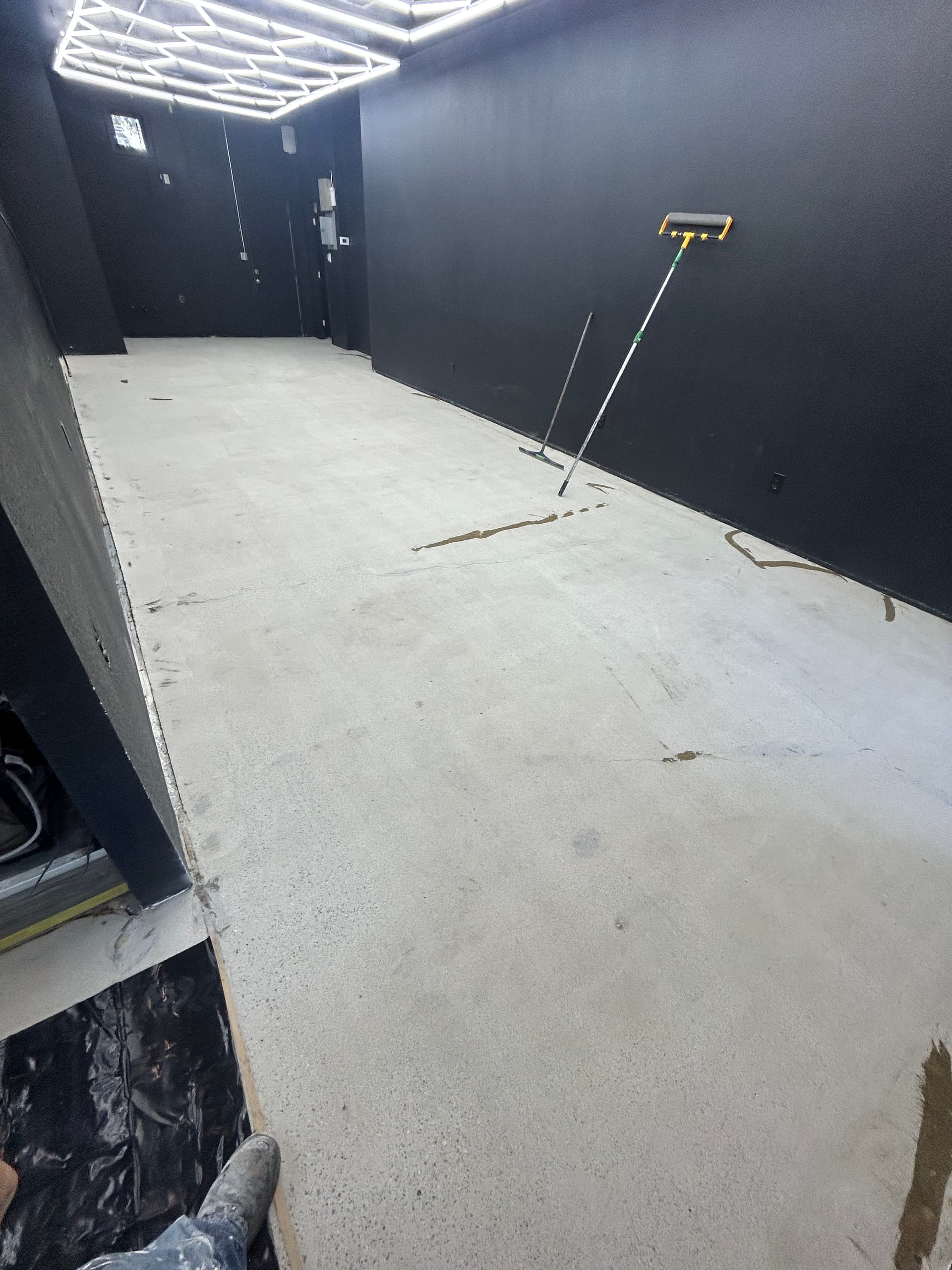
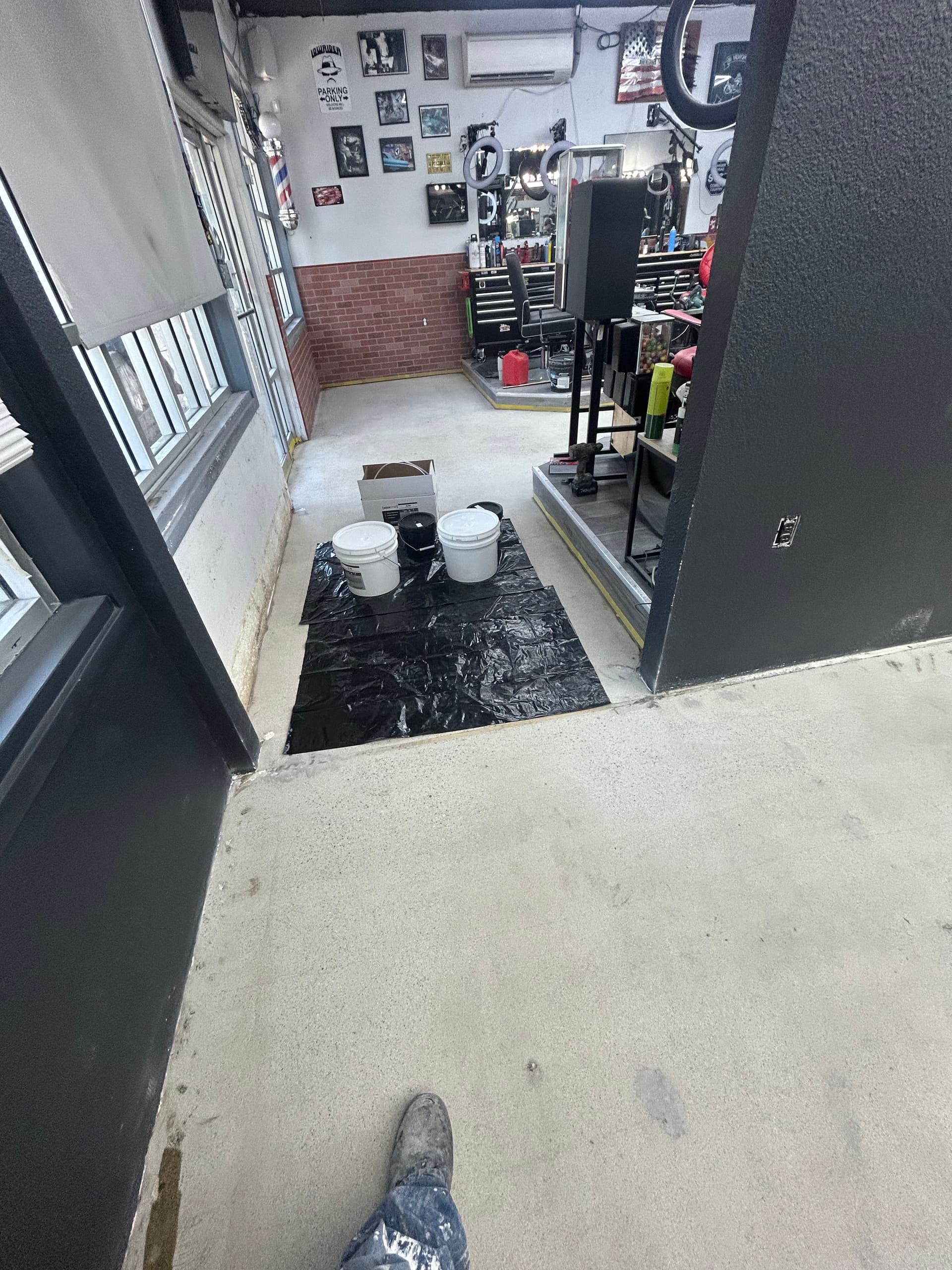
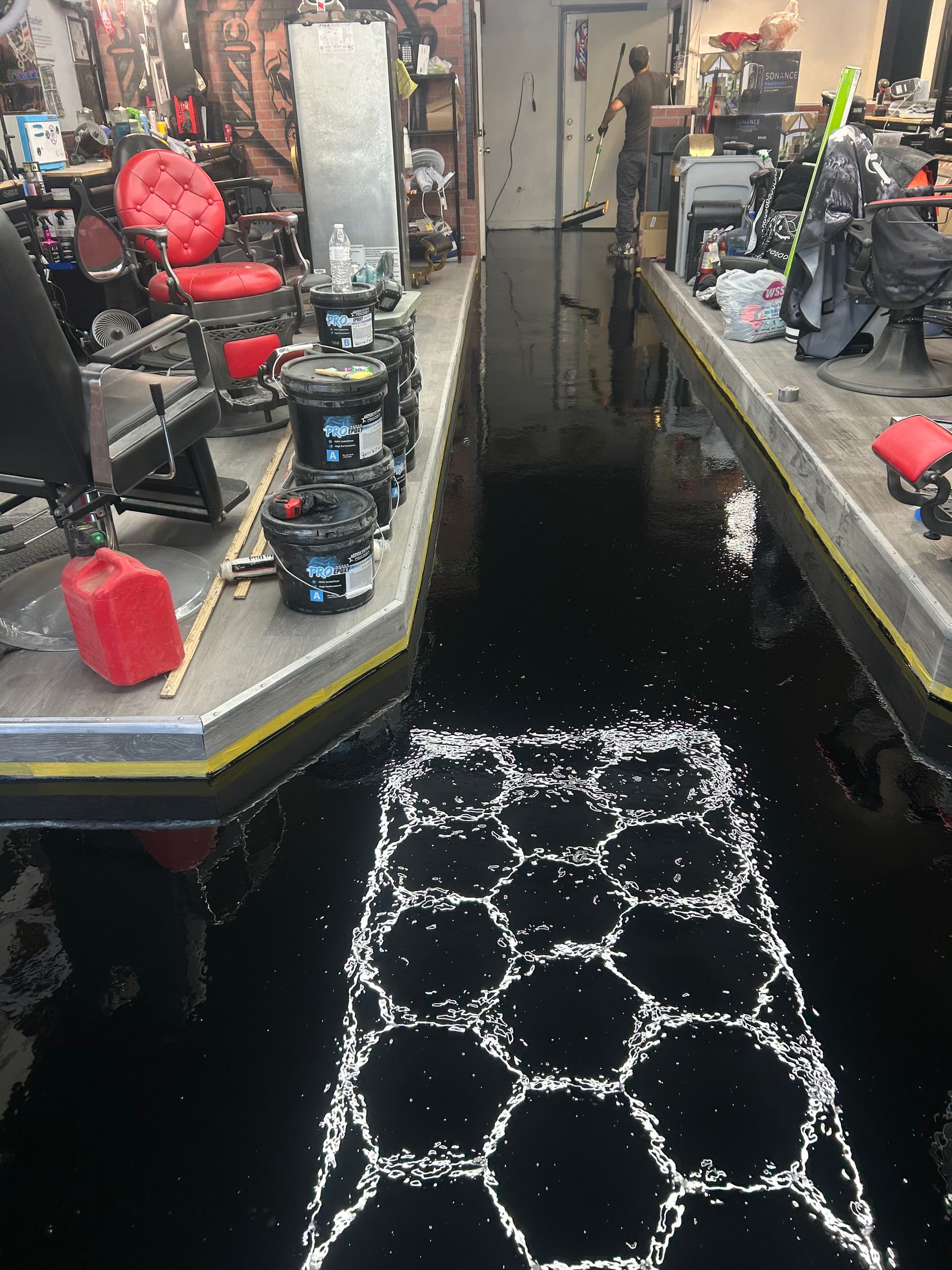
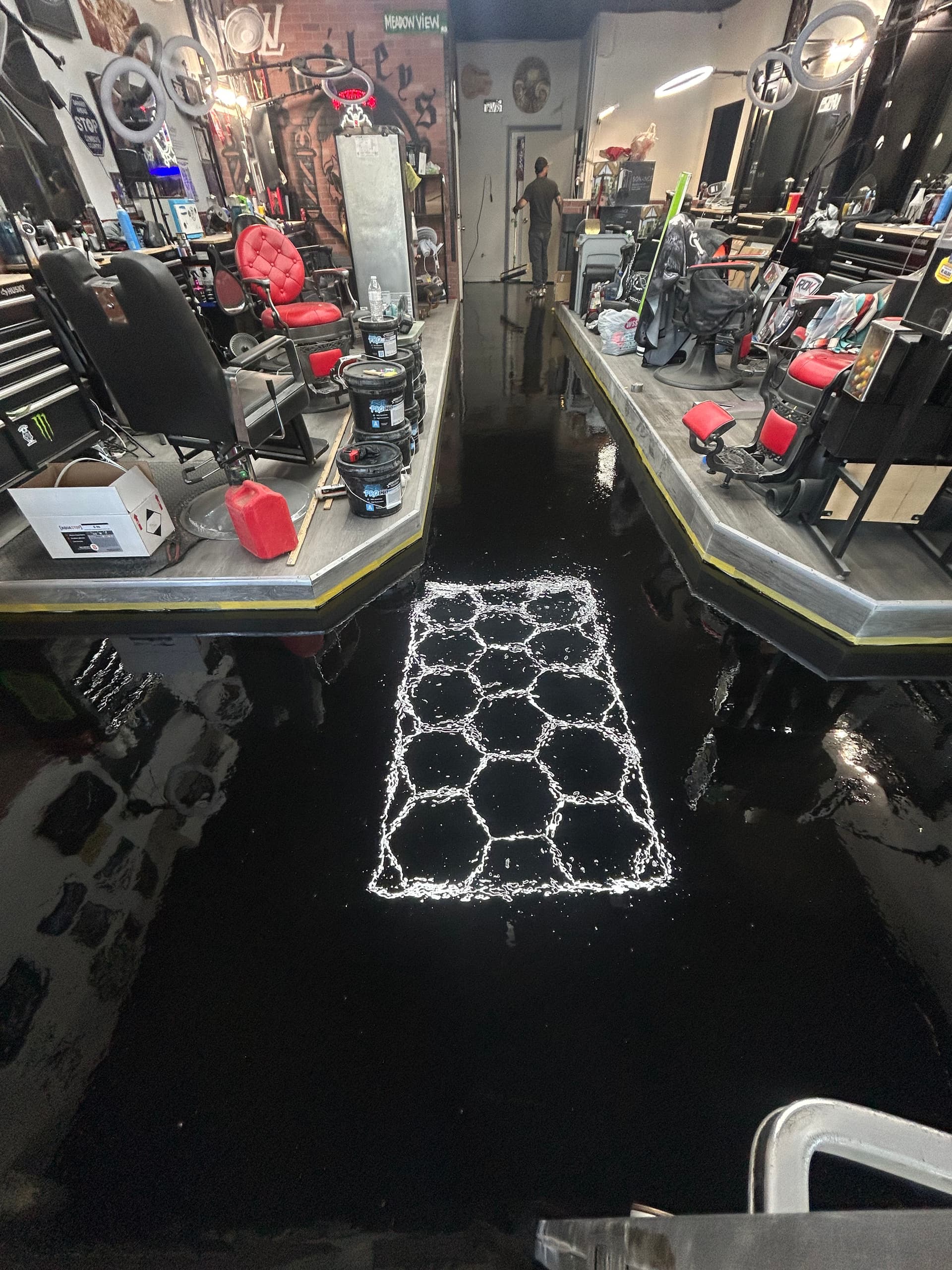
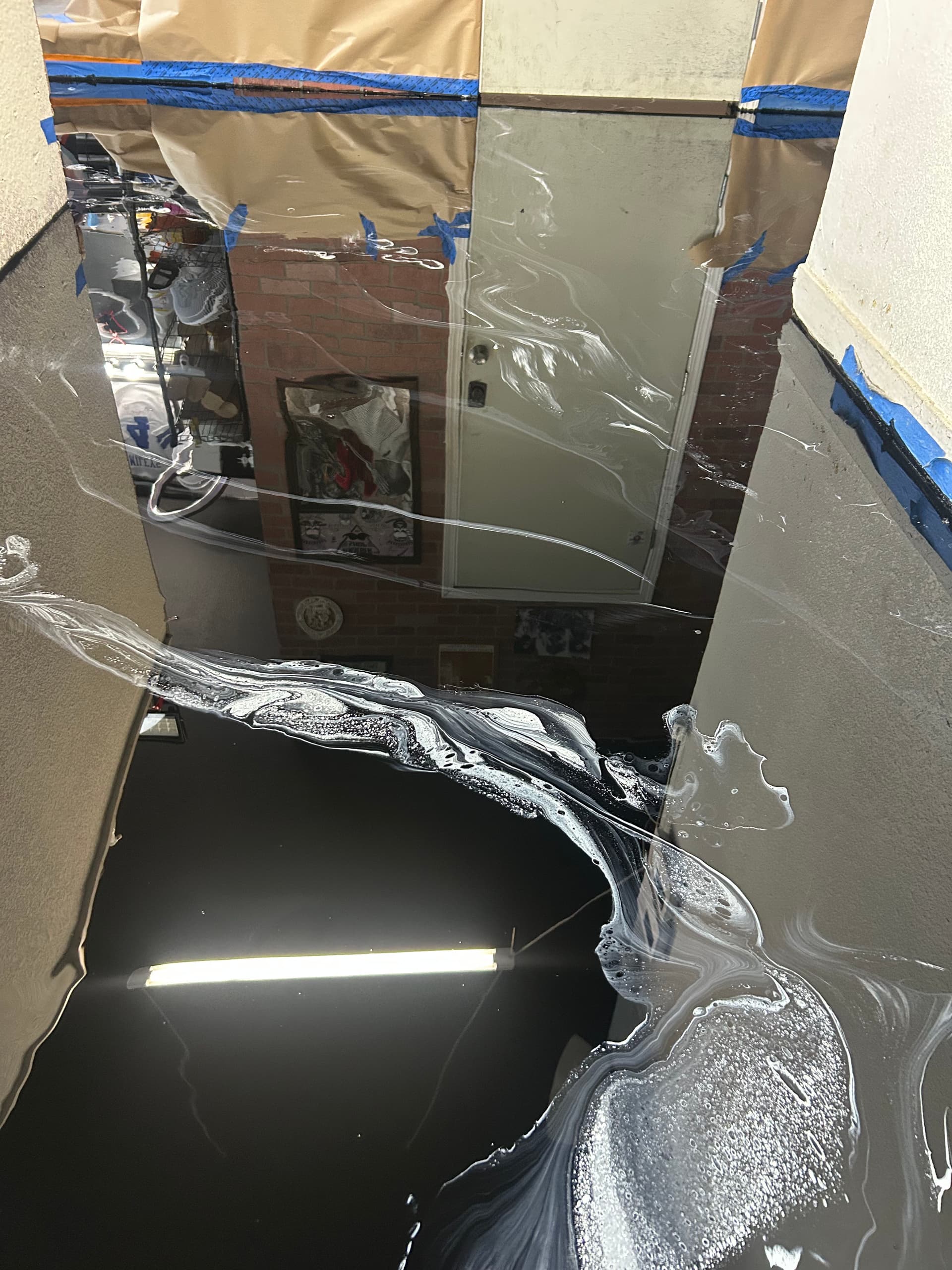
A lot of commercial floors look fine until you pull back the surface covering and see what's actually going on underneath. Cracked concrete, uneven patches, staining - it's the kind of stuff that, if you skip over it, will absolutely show up in your finished floor later. That's why we never skip the prep work. Ever.
Here's what we were working with across two commercial spaces - raw concrete with visible cracking running in multiple directions. Before any epoxy goes down, those cracks and floor hazards get addressed directly. We grind, we fill, we correct. The surface has to be right or the coating won't hold the way it should. That grinding phase is loud and dusty and not glamorous at all, but it's the foundation of everything.
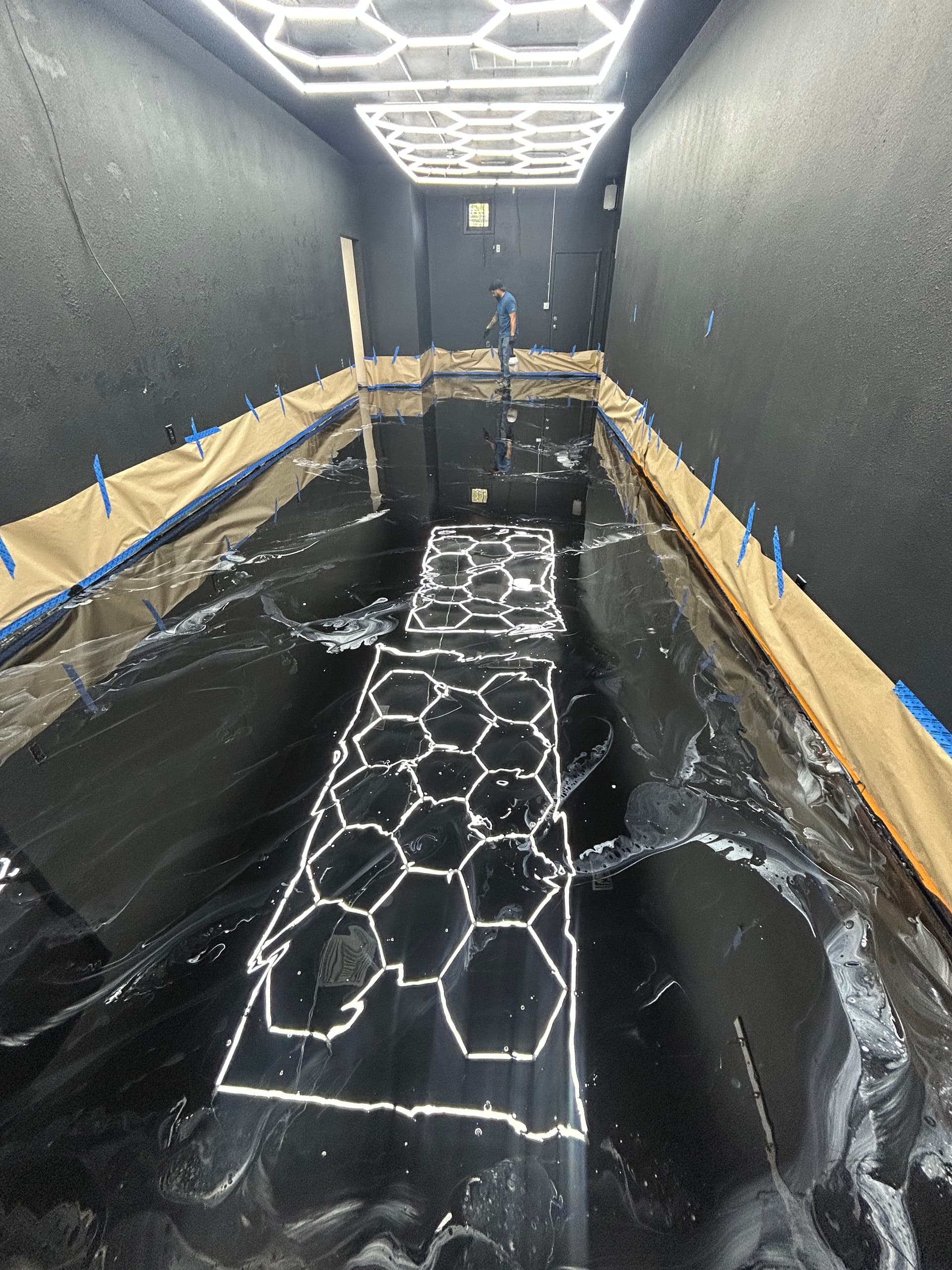
Once the concrete was prepped and the crack corrections were done, we moved into the epoxy metallic application. The color choice here was a deep, flat black base with a white metallic that gets worked into the surface while it's still wet. That's where the movement and depth comes from - the swirling, almost liquid-looking pattern that locks in place as it cures. No two floors come out the same. That's kind of the whole point with metallic epoxy.
The high-gloss finish that comes out of this process does a few things at once. It looks sharp - the kind of floor that actually makes a space feel more intentional and dialed in. But it also hardens the surface significantly. Way easier to clean than bare concrete, resistant to spills, and it holds up under heavy foot traffic. For a commercial space that sees daily use, that's not a small thing.
Prep is the part most people don't see, but it's the part that determines whether a floor lasts. We take it seriously on every job - and the finished result reflects that.